
Neck and head cancers are becoming a major concern in numerous Indians as they get older. These types of cancer are usually found in the neck and head, but they can be in squamous tissue that can be found inside the mouth as well as the airway structures of the neck and head. Though not as widespread, head and neck cancer in Ahmedabad can be discovered in the salivary glands, muscles, and the sinuses. But just the fact that cancer is present in the neck and head doesn’t mean that they must be classified as neck and head cancers.
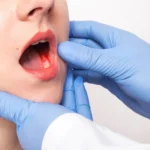
The head and neck cancer diagnosis is made when an examination by a doctor taking note of any lumps or bumps, or by looking at your throat. Dentists are often able to detect cancer in regular dental exams. It is important to speak with the dentist regarding any changes you have noticed since your last appointment.
If you suspect cancer and you are diagnosed, you could be scheduled to undergo an endoscopy. The procedure is usually carried out by inserting a scope into the nasal passage and then down the throat to check for any signs of abnormality. A biopsy, or a sample can be taken and taken to a laboratory to be tested further.
Common Head and Neck Cancer and what to look for
There are five kinds of neck and head cancer:
1 Oral Cavity Cancer
It is the most frequent kind of neck and head cancer. It may be affected by the mouth, lips cheeks, tongue. The first signs of cancer in the region are the appearance of red or white spots within the mouth. They can also be associated with bleeding or swelling of the gums and mouth. Sometimes, swelling is first observed in patients who have dental procedures that are no longer fitting properly.
2. Cancer of the Larynx or Pharynx
The pharynx is the part that extends out from your nasal passage towards the esophagus’s upper part. The larynx is a part of the throat, which is home to your vocal cords as well as the voice box. The structure is crucial for the throat’s function. This includes swallowing, speaking and breathing. The first signs of cancer affecting these structures include difficulties swallowing, feeling that there’s an obstruction inside your throat or feeling that there’s a pain which is felt within one or both ears. In addition, vocal changes could indicate an issue with the larynx.
3. Nasal Cavity and Sinus Cancer
The nasal cavity encompasses more than simply the inside of the nose. There’s plenty of space in and around the nose, which assists us in breathing, especially through the nose, and then into the throat. Cancer symptoms can be frequent sinus infections, difficulty in clearing the sinuses, nasal bleeding, headaches, inflammation around eyes, within the mouth, which could result in dentures fitting poorly or feel discomfort in the upper teeth.
4. Salivary Gland Cancer
Saliva is created by our mouths to aid digestion and the breakdown of food items. It contains specific enzymes that achieve this feat effectively. The salivary glands which produce the fluid may develop cancer however, it’s not often. Cancerous signs within the salivary gland are typically recognised by swelling or pain in the region. Certain patients might be able to notice feeling numb or tingling around their chin, face, jaw, or neck.
What causes Head and Neck Cancer
Two key factors are responsible for most neck and head cancers – tobacco and alcohol. It is essential to visit your doctor or dentist on a regular basis. When you visit, be open about the use of these products so that you can be properly assessed. Sometimes, additional screening is recommended to detect cancer earlier in patients who are at a higher risk.
Other activities may make you more susceptible to developing cancers of the head and neck for example
- UV light exposure (like tanning beds)
- Exposure to chemicals (like mining or construction industries)
- The treatment of cancer patients with previous radiation
- Being infected with HPV, also known as the Human Papillomavirus (HPV)
Could You Lower the chance of developing Neck or Head Cancer?
There are some factors that aren’t within your control. The risk for men to contract head and neck cancers than women and are usually diagnosed after the age of fifty.
There are a few risk factors which you can take care of within your daily routines and in your overall medical treatment. There are a few things that can be done to decrease the risk of developing a head and neck cancer as well as other kinds of cancer. They include:
- Do not use cigarettes of any kind (including tobacco that is smokeless)
- Limit your alcohol consumption to a couple of drinks per week
- Do not drink and smoke in conjunction. The chance of developing neck and head cancer is significantly higher for those who drink and smoke tobacco.
- Make sure you apply SPF and sun protectants on your lips and face.
- Avoid tanning in the sun to protect all of your skin, including the lips
- Wear safety gear that is appropriate for your work to ensure that you don’t inhale chemical dust, being exposed to sunlight
- Protect yourself during oral sex to prevent HPV diseases in the throat and mouth
- Plan your schedule and make sure you go to your dental checkups on a regular basis.
- Take a look at taking the HPV vaccine to prevent future infections.
If you’re a member of a family with a background of head and neck cancer, or you have other risks, be sure you’re watching for symptoms of neck and head cancer. There are a few uncommon genetic disorders being researched that could be connected to the development of these kinds of cancer.
Are You able to be Examined for Head and neck Cancer?
There are screening tools that can detect head and neck cancers in an early stage, when it is easier to manage.
- Routine dental examinations: Cancer of the neck and head are typically first detected by a dentist at the time of the regular dental exam. It is important to see your dentist every six months.
- The Annual Physical Exam: If you drink tobacco or drink alcohol make sure you speak with your physician. In your annual physical examination, it is also recommended to look over your neck and head region for indications of cancer.
- Community screenings: Many communities often hold health screening sessions for cancer in the community. Consult your physician or your local health department to determine what screenings are available in your region.
What happens if you get a Head and Neck Cancer Diagnosis?
A lot of times, an ear, nose, and throat specialist will evaluate the patient and perform tests to see whether cancer is present. If it is found by your ENT, they will recommend referring you to an head and neck cancer surgeon in Ahmedabad who oversees the treatment plan for cancer. This head and neck surgeon in Ahmedabad can work with a handful of people such as a surgeon and radiation oncologist who specialises in administering radiotherapy.
The most used treatment is surgery and radiation therapy to ensure there aren’t any remaining cancer cells. Patients may also require chemotherapy or other medicines. This is typically the case if cancer has spread to an isolated part of the body.
Radiation Therapy
The primary kind of radiation therapy utilised for neck and head cancer is known as external beam radiation. There are many different types of external beam radiation. could be utilised to combat cancer. RCOG typically employs the technique of intensity-modified radiotherapy (IMRT) to treat neck and head cancers.
Radiation therapy employs a range of imaging techniques and computerised control to identify cancerous tissue while avoiding healthy organs and tissues.
Find out more about Head and Neck Cancer Treatment in Ahmedabad
If you’ve been given a cancer diagnosis for the neck or head, please consider your options carefully to ensure that you can access the most sophisticated treatments for cancer available. Contact the best head and neck onco surgeon in Ahmedabad. The doctor reviews the needs of each patient to determine which modern technologies will work most effectively for the patient and get the best result.




Leave a comment