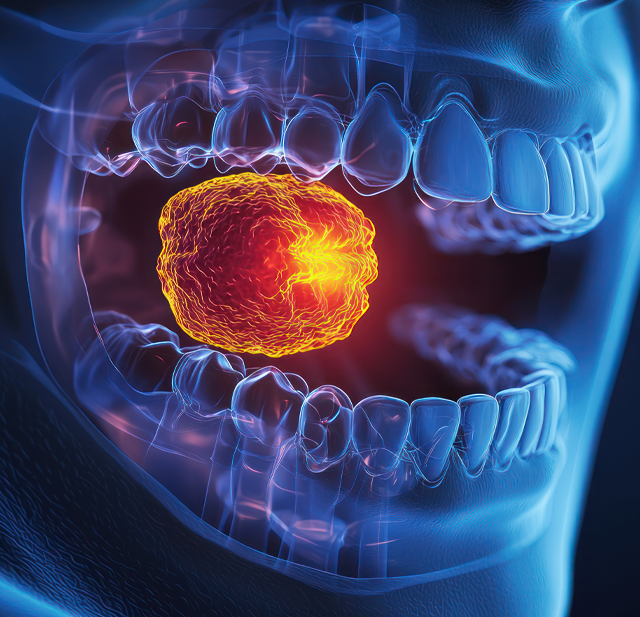
Best Head and Neck Cancer Surgeon in Ahmedabad
Head and neck cancers affect the parts of the body we use to speak, eat, breathe and express ourselves. Treating them well needs more than a successful operation – it needs a plan that removes the cancer and protects function and appearance. If you are looking for the best head and neck cancer surgeon in Ahmedabad for yourself or a family member, this guide explains the types of head and neck cancer, how they are diagnosed and staged, the treatment options, and what to look for when choosing a surgeon.
Dr. Vishal Choksi is an onco surgeon who treats only head and neck tumors. Trained in the Head and Neck Service at Memorial Sloan Kettering Cancer Center, New York, and certified by the American Board of Surgery, he has led head and neck surgery at Apollo Ahmedabad since 2011.
Worried about a symptom or already diagnosed? Call +91 97277 03693 or share your reports on WhatsApp for an expert opinion
What Is Head and Neck Cancer?
“Head and neck cancer” is a group of cancers that start in the lining of the mouth, throat, voice box, nose and sinuses, or in the salivary and thyroid glands. More than 90% of cancers of the mouth, throat and voice box are squamous cell carcinomas, which begin in the thin cells lining these surfaces. Thyroid and salivary gland cancers are different diseases with their own behaviour and treatment.
India carries one of the highest burdens of head and neck cancer in the world, largely because of tobacco chewing and smoking. In Gujarat, gutkha, mawa, khaini and betel quid (paan) with tobacco remain common, which is why cancers of the cheek, gums and tongue are frequently seen in Ahmedabad clinics.
Types of Head and Neck Cancer We Treat
- Oral cavity cancer – lips, tongue, gums, inner cheek, floor of the mouth and hard palate. See oral cancer.
- Tongue and jaw cancers – cancers of the mobile tongue and those involving the lower or upper jaw. See tongue and jaw cancer.
- Pharyngeal (throat) cancer – nasopharynx, oropharynx (tonsils, base of tongue) and hypopharynx. See throat cancer.
- Laryngeal (voice box) cancer – supraglottis, glottis (vocal cords) and subglottis. See laryngeal cancer.
- Thyroid cancer – papillary, follicular, medullary and anaplastic types. See thyroid cancer.
- Salivary gland tumors – parotid, submandibular and minor salivary glands. See salivary gland cancer.
- Parathyroid tumors – usually benign adenomas causing high calcium. See parathyroid tumors.
- Nasal, sinus and skull base cancers – tumors that reach the base of the skull. See skull base cancer.
Symptoms of Head and Neck Cancer
Symptoms depend on where the cancer starts. See a specialist if any of the following lasts more than two to three weeks:
- A mouth ulcer, white patch (leukoplakia) or red patch (erythroplakia) that does not heal
- A lump in the neck, especially if it is painless and growing
- Persistent hoarseness or change in voice
- Difficulty swallowing, pain on swallowing, or food sticking in the throat
- Ear pain on one side with a normal ear examination
- A blocked nostril, nosebleeds or facial swelling on one side
- A lump in front of the ear or under the jaw
- Difficulty opening the mouth fully (trismus)
- Unexplained weight loss
Causes and Risk Factors
- Tobacco in every form – smoked (cigarettes, bidis, hookah) or smokeless (gutkha, mawa, khaini, zarda, betel quid with tobacco)
- Alcohol, which multiplies the risk when combined with tobacco
- Areca nut (supari), even without tobacco, which causes oral submucous fibrosis – a precancerous condition
- Human papillomavirus (HPV), linked to cancers of the tonsil and base of tongue
- Poor oral hygiene and sharp teeth causing chronic irritation
- Radiation exposure to the neck, especially in childhood, for thyroid cancer
- Family history and genetic syndromes for some thyroid and parathyroid tumors
Stopping tobacco and alcohol lowers the risk over time, and it also improves results for people already undergoing treatment. Read about precancerous conditions that can be treated before they become cancer.
How Head and Neck Cancer Is Diagnosed
- Clinical examination of the mouth, neck, throat and voice box, often with a flexible endoscope in the clinic.
- Biopsy – a small piece of tissue, or a fine-needle sample from a neck lump, is examined by a pathologist. Treatment should not begin without a confirmed diagnosis.
- Imaging – CT or MRI shows the size and depth of the tumor and involvement of bone; ultrasound is useful for the thyroid and neck nodes; PET-CT is used for advanced cancers to look for spread.
- Additional tests – dental assessment before surgery or radiation, blood tests, and fitness evaluation for anaesthesia.
Staging: Why It Matters
Staging describes how far the cancer has grown and spread, using the TNM system of the American Joint Committee on Cancer (8th edition):
Letter | What it describes | Why it matters |
T (Tumor) | Size and depth of the main tumor, and whether it invades nearby structures | Decides how much tissue must be removed and whether reconstruction is needed |
N (Nodes) | Whether cancer has spread to lymph nodes in the neck, how many and how large | Decides the type of neck dissection and need for radiation |
M (Metastasis) | Whether cancer has spread to distant organs such as the lungs | Decides whether treatment aims at cure or control |
Stages I and II are early cancers; stages III and IV are advanced. Many early cancers can be cured with a single treatment, while advanced cancers usually need a combination of surgery, radiation and sometimes chemotherapy.
Head and Neck Cancer Treatment in Ahmedabad: Your Options
Surgery:
Surgery is the main treatment for most cancers of the mouth, salivary glands, thyroid and many cancers of the voice box. The aim is to remove the tumor with a clear margin of healthy tissue. Depending on the site, this may include:
- Wide local excision of the tumor through the mouth for early cancers
- Transoral laser surgery for selected early cancers of the voice box and throat
- Mandibulectomy or maxillectomy when the cancer involves the jaw bone
- Neck dissection to remove lymph nodes that contain, or may contain, cancer
- Thyroidectomy, parotidectomy and parathyroidectomy for glandular tumors
- Laryngectomy (partial or total) for advanced voice box cancers
Reconstruction
When a large area is removed, reconstruction restores the ability to eat, speak and look natural. Options include local flaps and microvascular free flaps, where tissue such as skin, muscle or bone is moved from the forearm, thigh or leg (fibula) and its blood vessels are joined under a microscope. See craniofacial surgery for complex reconstruction.
Radiation therapy and chemotherapy
Radiation is used as the main treatment for some throat and voice box cancers, or after surgery when there is a high risk of the cancer returning. Chemotherapy is often given alongside radiation to make it more effective. Immunotherapy and targeted therapy are options for selected advanced or recurrent cancers.
A Team, Not Just a Surgeon
The best results come from a multidisciplinary tumor board – a head and neck surgeon, medical oncologist, radiation oncologist, radiologist, pathologist, dentist, speech and swallowing therapist, dietitian and nurse coordinator – agreeing on one plan. At Apollo Ahmedabad cancer centre, this team meets to review complex cases. If you are unsure which specialist does what, read our guide to the types of oncologist.
How to Choose the Best Head and Neck Onco Surgeon in Ahmedabad
Ask these questions before you decide:
- Specialisation: Does the surgeon operate only on head and neck cancers, or on many parts of the body?
- Training: Has the surgeon completed a recognised head and neck oncology fellowship?
- Volume: How many operations of your type does the surgeon perform each year?
- Reconstruction: Is reconstruction, including free flap surgery, available in the same operation?
- Team: Is your case discussed at a multidisciplinary tumor board?
- Rehabilitation: Are speech, swallowing and nutrition support part of the plan?
- Follow-up: Is there a clear follow-up schedule for at least five years?
- Transparency: Are the risks, expected recovery and costs explained clearly?
Why Patients Choose Dr. Vishal Choksi as Their Head and Neck Surgeon in Ahmedabad
- Two-and-a-half-year head and neck surgery fellowship at Memorial Sloan Kettering Cancer Center, New York
- Diplomate of the American Board of Surgery
- Lead Consultant, Head and Neck Cancer Surgery Services, Apollo Ahmedabad
- More than 20 years of surgical experience, with a practice limited to head and neck tumors
- Advanced training in minimally invasive thyroid surgery (Pisa) and endoscopic laser surgery (Milan)
Clear explanations in Gujarati, Hindi and English, and a 5.0-star Google rating from patients
Read more about Dr. Vishal Choksi.
Recovery and Life After Treatment
Recovery depends on the operation. After smaller operations, many patients go home within one to three days. After major surgery with reconstruction, the hospital stay is usually one to two weeks. Speech and swallowing therapy begins early, and most patients return to eating by mouth. Follow-up visits are typically every one to three months in the first two years, then less often, for at least five years. Read more about life after head and neck cancer treatment.
Cost of Head and Neck Cancer Treatment in Ahmedabad
The cost depends on the type and stage of cancer, the extent of surgery, whether reconstruction is needed, the length of hospital stay and whether radiation or chemotherapy follows. After your evaluation, you will receive a written estimate. Most health insurance policies cover cancer surgery.
Book a consultation with Dr. Vishal Choksi – +91 97277 03693 | WhatsApp your reports for a second opinion.
Frequently Asked Questions about Head and Neck Cancer in Ahmedabad
Who is the best head and neck cancer surgeon in Ahmedabad?
The right surgeon is one who specialises only in head and neck cancer, has completed fellowship training, operates at a hospital with a full cancer team and offers reconstruction and rehabilitation. Dr. Vishal Choksi is a Memorial Sloan Kettering–trained head and neck surgeon who leads Head and Neck Cancer Surgery at Apollo Ahmedabad. Always compare training, experience and the team behind the surgeon.
What is the most common head and neck cancer in India?
Oral cavity cancer – especially of the inner cheek, gums and tongue – is the most common head and neck cancer in India, strongly linked to smokeless tobacco and areca nut.
Is head and neck cancer curable?
Yes, many are curable, especially when found early. Early-stage cancers of the mouth and voice box are often cured with a single treatment. Advanced cancers can also be cured in many cases with combined surgery and radiation.
What is the difference between a head and neck surgeon and an ENT surgeon?
An ENT surgeon treats a broad range of ear, nose, and throat problems. A head and neck surgical oncologist has additional training focused on cancer surgery of the region, including neck dissection and reconstruction.
Will I be able to speak and eat normally after surgery?
Most patients do. The goal of modern surgery and reconstruction is to preserve speech and swallowing. Some patients need a period of therapy, and a small number with advanced disease need long-term adaptations, which your team will discuss in advance.
How long does head and neck cancer surgery take?
Small operations may take one to two hours. Major surgery with neck dissection and free flap reconstruction can take six to ten hours.
Do all patients need radiation after surgery?
No. Radiation after surgery is advised when the final pathology shows features that increase the risk of recurrence, such as advanced stage, close margins, several involved lymph nodes, or spread outside the node.
What is a neck dissection?
A neck dissection is the removal of lymph nodes from the neck. It is done when cancer has spread to the nodes, or when there is a significant risk that it has spread even if the nodes look normal on scans.
How soon should treatment start after diagnosis?
Ideally within a few weeks of diagnosis. Delays can allow the cancer to grow, so staging and planning should be completed promptly.
Can I get a second opinion on my head and neck cancer treatment plan?
Yes. You can share your biopsy report and scan images with Dr. Choksi’s team. A quick second opinion rarely delays treatment and can confirm that the plan is appropriate.
Author & Medical Review
Dr. Vishal Choksi, MBBS, Diplomate American Board of Surgery, AHNS Fellow. Medically reviewed by Dr. Vishal Choksi.