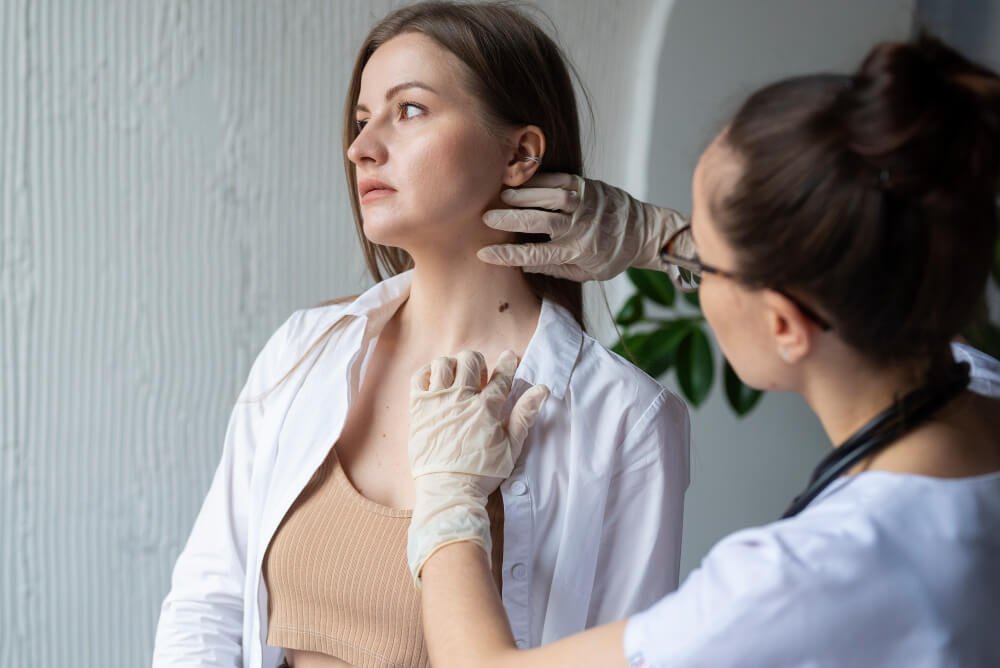
If someone has been diagnosed with cancer of the neck or head region one of the initial and foremost questions to ask concerns: Is head and neck cancer curable in Ahmedabad? Yes there are many head and neck cancer treatable, specifically when they are detected early and immediately treated.
Since the beginning of time major advancements in the field of surgery as well as radiation therapy and immunotherapy, have significantly enhanced outcomes and allowed more patients to lead regular, healthy lifestyles.
In India, around one-third of cancer cases begin within the neck or head. In the world, 1 in 9 individuals is at risk for a lifetime of being diagnosed with cancer. These figures highlight the necessity for prompt detection, quick treatment, and the most effective treatments.
In this post, we’ll look at what the doctors have to say regarding head and neck cancer in Ahmedabad at the moment as well as how treatment has improved and how early intervention can be the key to success.
What is Head and Neck Cancer?
Cancer of the head and neck is a term used to describe a variety of cancers that develop in the areas of the mouth, throat, voice box, nose and salivary glands. A majority of these types of cancers occur within the moist, thin tissue that runs through these regions of the body.
The Common Types
The most common kinds are:
- Oral cancer – lips, tongue, gums
- Throat cancer – tonsils, tongue base, soft palate
- voice box (laryngeal) cancer
- Sinus and nasal cancers
- Cancer of the salivary glands
What can increase the risk?
There are some identified risk factors that are known to be a factor:
- Tobacco or smoking
- Heavy alcohol use
- HPV disease (linked to cancer of the throat)
- Epstein-Barr virus (seen in a few nasal cancers)
- Chemicals in the workplace that can be harmful to workers
What To Watch for
The early signs may not be obvious. However, some of the most common signs can be found in:
- The sore throat won’t disappear
- A change in the quality of your voice
- Problem with swallowing
- Mund sores that won’t be healed
- An unidentified lump on the neck
- Ear pain that is persistent
- Nosebleeds or nasal blockage are frequent and often painful.
- Unexplained weight loss
If you experience one of the signs that suggest head and neck cancer lasting over two weeks or more It’s recommended to consult your physician.
Can Head and Neck Cancer be Cured?
It is true, particularly when it is detected earlier. Based on data from the NCI’s SEER program, those found to be in the early stages of their disease benefit from a better chance of survival than those suffering from older diseases.
- Stage I as well as II cancers can be treated by either radiation or surgical treatment.
- Stage III or IV cancers typically require combined treatment (surgery and chemotherapy) However, they can lead to an indefinite cure.
- HPV-positive oral cancers result in significantly higher survival rates and survival rates that exceed 85 per cent in many instances.
An article published in the Journal of Clinical Oncology found that those suffering from the most advanced head and neck cancer lived longer and were more comfortable with nivolumab, which is a form of immunotherapy. It was particularly effective in patients who had HPV-positive tumours. It is an option to consider if cancer returns or expands.
Head and Neck Cancer Treatment in Ahmedabad
If you or a loved one has been confirmed to have head and neck cancer, you’re not the only one and there are a variety of ways to manage the condition. The best treatment is contingent upon the area where cancer has spread in its progression, the extent to which it has advanced and also your overall well-being.
What you must learn about the most commonly used head and neck cancer treatments.
1. Surgery
Surgery is usually the initial procedure to ensure that the tumour can be removed safely. There are many instances where alternatives that are less invasive such as robot or endoscopic surgeries, can be used to reduce the possibility of injury to the surrounding tissues.
- If the tumour is larger, robotic surgery is often followed by reconstructive surgeries to aid in restoring the swallowing process, speech, and appearance.
- If the cancer has spread into the lymph nodes, doctors could also take out a part of the neck’s tissue to treat the cancer.
2. Radiation Treatment
The treatment of radiation is commonly used to cure head and neck cancer. The treatment uses specific energy to reduce or eliminate cancerous cells. A few people are treated with radiation on their own or as part of a treatment plan, while other people receive it as part of a radiation treatment plan for head and neck cancer programs that incorporate the operation or chemotherapy.
- The technique referred to as IMRT allows doctors to direct the radiation in a more precise manner. This can help protect surrounding areas, including the voice box as well as salivary glands. This helps reduce the risk of adverse consequences such as dry mouth and vocal changes.
- If the cancer recurs or is present in younger instances the proton therapy option may be a possibility. The type of radiation used is also more precise and can prevent the destruction of healthy tissues, especially sensitive regions such as the throat and mouth.
Newer techniques make the treatment simpler to control and aid patients in maintaining important skills such as talking and swallowing.
3. Chemotherapy
Chemotherapy is a treatment for cancer. It can slow down the process or stop cancer cells from advancing. It is usually used in cases where head and neck cancer has spread, or when surgery isn’t sufficient. Sometimes, it’s combined alongside radiation.
- Chemotherapy could cause unwanted side effects. There is a possibility that you will feel exhausted and sick, or lose your appetite, or observe a change in the taste of your food. This can increase the likelihood of contracting diseases. People with certain conditions may experience more adverse effects than other people.
- Doctors are able to assist you in your treatments. They will prescribe medicine to help ease the symptoms, and also check frequently to see if you’re in good health.
4. Immunotherapy
The Immunotherapy treatment is a treatment that helps the body’s immune system to identify and fight cancer. This is typically used in cases where head and neck cancer has returned or expanded or other treatment methods such as chemotherapy or surgery aren’t working.
- Two of the most frequently used medications include Pembrolizumab (Keytruda) and Nivolumab (Opdivo). The treatments can help patients with advanced cancers live longer and often have fewer side effects than standard chemotherapy.
- An extensive study found that patients treated with nivolumab were able to cancer that has returned head and neck cancer live longer. Pembrolizumab may also increase survival rates and can be less prone to side effects.
- It’s not for everybody, but in the event that it does work, it could be a significant difference, not only in terms of how long people live, but also in the way they feel throughout treatments.
5. Therapeutic Targeted Approach
The majority of cervical and head cancers are developed through the signals of the protein known as EGFR. If this protein is overly active, it could cause cancer to spread more quickly. The drug known as cetuximab can be employed to inhibit EGFR and reduce the growth of cancer.
- Cetuximab is typically prescribed for patients who don’t qualify for chemotherapy, or when cancer has returned or it has spread. It can be administered as a stand-alone treatment or in conjunction with radiation, based on the circumstances.
- Research studies show that the use of cetuximab could help patients live longer and have fewer adverse reactions than chemotherapy. Cetuximab is one treatment option that could be beneficial when other treatment options do not work.
What affects your chances of a Cure?
Many factors affect the extent to which it is treatable head and neck cancer is:
- Stage of diagnosis: The cancers with early stages are more manageable.
- The location of the tumour: A few areas respond better than others to treatment.
- HPV state Cancers associated with HPV usually respond very well.
- The overall health of your body: Being in top condition helps the body cope with treatments.
- Timing: Beginning treatment earlier increases your odds.
Survival Rates for Stage and Type
The outcome can differ based the kind of cancer as well as how the disease has been able to spread. This is a rough idea of what to expect:
| The Cancer Type | The beginning of the Stage | Regional Spread | Difficult Spread |
| Oral Cavity | 75-85% | 60-70% | Around 40% |
| Laryngeal | 85-90% | Around 70% | Around 45% |
| Nasopharyngeal | Around 85% | Around 70% | More than 50 % |
| Oropharyngeal (HPV+) | More than 85 % | More than 70 % | Around 60% |
| Hypopharyngeal | 50-60% | Aproximately 35 35% | Below 30 % |
What is HPV?
HPV-related cancers, particularly located in the tonsils and throat are often more responsive to treatments. Studies have shown that patients who are HPV positive cancers are more likely to live over those who don’t have HPV-positive cancers. The vaccination program is helping to prevent cancers from occurring in the near future.
Is advanced and Recurrent Cancer Be Treatable?
Even if cancer returns or expands it is possible to treat the cancer:
- Surgery could be a possibility if the cancer has been found in a specific part of the.
- Radiation employing newer techniques helps to control diseases.
- Immunotherapy may be effective for certain patients, and even for the most severe cases.
- Palliative treatment concentrates on the comfort of patients, control of pain as well as quality of the patient’s life in cases where a cure isn’t possible.
Assistance that goes beyond Treatment
The treatment of head and neck cancer doesn’t only mean getting rid of the cancer. It affects how you consume food, talk, and even how you feel. So, getting help from the nutritionists, speech therapists and medical professionals, and many others are crucial. Rehabilitation programs are designed to help people regain their swallowing capacity, speech and physical appearance, so you are able to return to living life in a confident manner.
Final Thinking
The cancer of the neck and head is curable. Most people get cured, particularly when the cancer is detected at an early stage. However, even if the cancer is advanced, the latest therapies, particularly immunotherapy, offer more hope to patients. Most important is to respond promptly. Consult a professional to ask questions and receive the help that you require. Don’t be afraid to ask questions and get the help you need.



Leave a comment