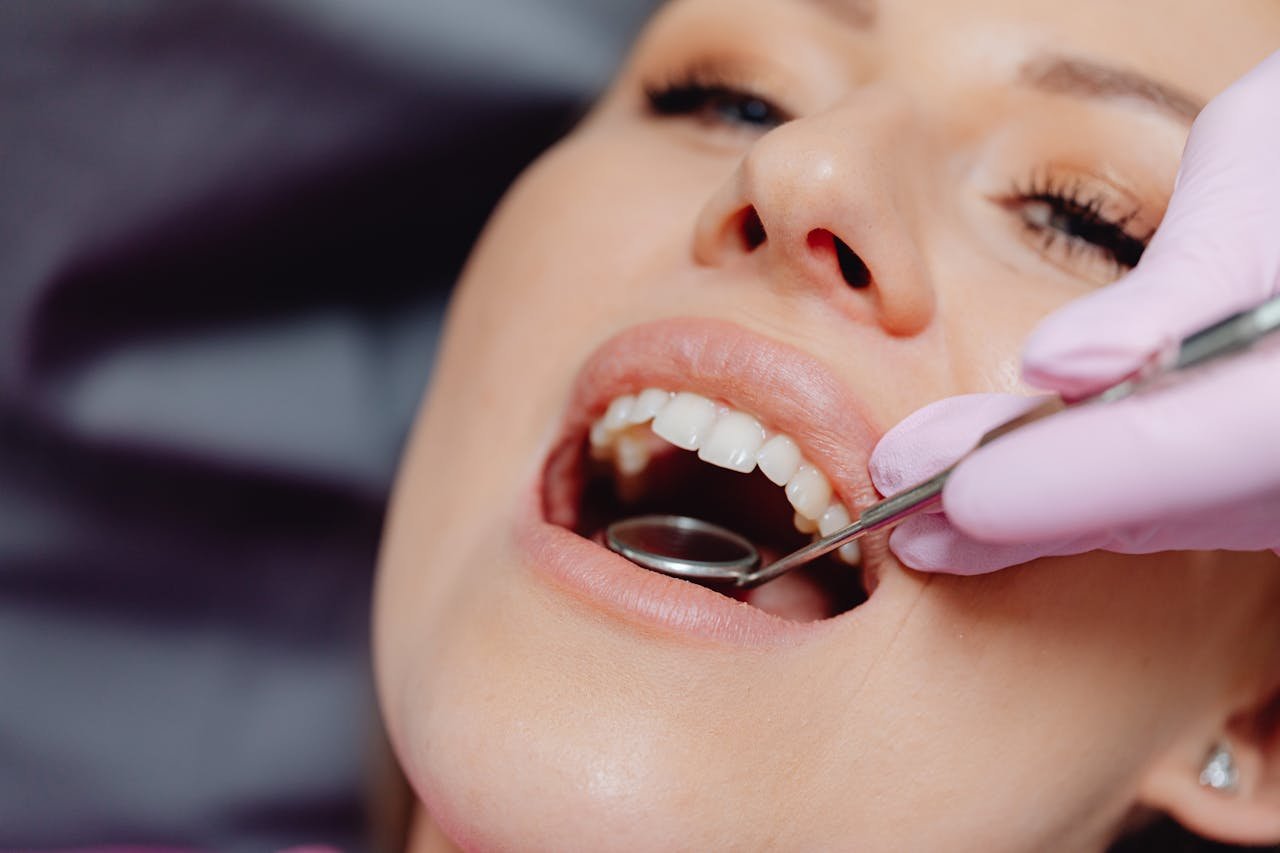
Oral (Mouth and Tongue) Cancerous cells typically arise from squamous cell structures that line the tongue’s surface, which can result in the appearance of lesions or tumors. Signs and symptoms that are prominent consist of white or red spots in the tongue, persistent discomfort, and sores that are not healing.
Tongue cancer is clearly included in the category of mouth cancer or dental cells, and cancer can be found in two distinct areas within the tongue. The front of the tongue is susceptible to cancer, while the cancer cells that occur in the back of the tongue are referred to as oropharyngeal cancer.
The disease of the tongue can be detected in younger and older individuals. The main reasons for the development of tongue cancer is alcohol, smoking, and HPV. Additionally, non-drinkers and those who smoke could be affected because of environmental factors such as genetics or mutations, or genetics. The cause could be poor dental hygiene as well.
The initial signs of oral cancer generally appear similar to signs of other ailments, like a mouth abscess or tongue abscess. This makes the diagnosis of medical professionals difficult. Certain people might not initially notice any signs or symptoms in the initial stages of the development of cancer cells.
This report focuses on the details of cancers of the tongue, including images and symptoms of stages, triggers, and a lot more.
What exactly is Mouth Cancer?
It is referred to as oral cancer is a terrible disease that can develop in a variety of areas within the mouth. This includes the lips, cheeks, gums, and tongue, and the roof or floor inside the mouth. The process occurs when the cells in the mouth adapt and expand in a rapid manner, creating an unhealthy swelling, known as a tumor.
Understanding the causes of mouth cancer cells can assist in avoiding it. The use of tobacco, such as smoking and eating tobacco, significantly increases the risk. Drinking excessive alcohol in conjunction with tobacco use can increase the risk further. In addition, an infection of HPV, also known as the Human Papillomavirus (HPV) in particular, HPV-16, may cause oral cancer.
What are the effects or Indications, as well as the Sources for Oral Cancer?
The signs and symptoms of dental cancerous cells in the throat and mouth aren’t specific. The signs and symptoms might not be evident until the beginning of the development of the disease. The most frequent symptoms and signs are listed below:
- No pain-free lumps or bumps in the mouth throat, or on the lips
- Abscesses and red or white lesions in the lips or mouth that don’t heal
- Numbness, discomfort, or hemorrhaging in the mouth
- Swelling of the jaw, vocal changes
These are the initial symptoms and indications of cancer cells. Some people may experience many of these signs.
The main risk factors for oral cancer include smoking cigarettes or chewing tobacco, betel nuts, and high consumption of alcohol. Alcohol and tobacco are both cancer-causing substances, as they are made up of substances that could harm DNA and result in cancer. The accumulation of malformed dental cancer cells may cause an increase. If it is not treated, the cancer could spread throughout the mouth, and also on other parts of the neck and head or other areas of the body.
What is the process Healthcare Providers use to diagnose Oral Cancer?
The detection of potentially cancerous dental cells could occur in routine dental examinations. If your dentist detects indications, they could conduct initial tests or recommend you to a dentist, maxillofacial cosmetic dentist, or the head and neck surgeon, often referred to as ear, nose, and throat (ENT) experts.
The diagnostic methods for oral cancer include:
- Physical exam: Your doctor thoroughly examines your mouth, spotting signs of abnormalities. They also examine your face, head, and neck to detect possible signs of cancerous or pre-cancerous cells.
- The brush biopsy (scrape biopsy or exfoliative cytology): A little spatula or brush carefully scrapes the area to collect cancerous cells. assessment of the cells.
- A biopsy through the incision. Small cell samples are taken by your physician to obtain cancer-related cell evaluation.
- Pharyngoscopy and indirect laryngoscopy: Utilizing a small mirror attached to a lengthy, thin, smooth take care of medical professional, the doctor examines your throat as well as the base of the tongue and a portion of the larynx (voice box).
- Direct (flexible) laryngoscopy, pharyngoscopy: An endoscope, the thin, flexible tube that has an attached light and a set of checking lenses, can be used to study the locations of your mouth and throat that are not visible with mirrors.
Oral Cancer Treatment in Ahmedabad
The most effective treatment options for oral (mouth) tumors are the surgical procedure, radiation therapy, and chemotherapy. It is crucial to discuss the negative, objective effects and methods of dealing with negative side effects with your doctor for every treatment option.
A variety of factors affect the treatment recommendations, including:
- The kind of oral cancer.
- The severity of cancer can be seen in the throat, mouth or other areas within the human body.
- Your overall health and well-being.
- Your age.
The most common procedures for dental cancer include:
- Primary lumpectomy: The removal of tumors through the mouth or through a laceration of the neck.
- Glossectomy: Total or partial removal of tongue.
- Mandibulectomy is a surgical procedure used to treat cancerous dental cells that affect the jawbone.
- Maxillectomy: Removal of the parts or all of the hard palate, as well as the bony roof of the mouth.
- The biopsy of the lymph nodes in the sentinel gland: Determining the presence of cancer cells and whether they have been able to spread beyond the initial oral cancerous cells.
- Reconstruction: Following massive tissue removal, cosmetic surgery could fill in the voids caused by tumors or alter parts of the lips, palate, tongue or jaw. Bone and cells from different body regions could be utilized to restore.
Other therapies can consist of combining surgery with:
- Treatment with radiation, using laser beams of light to destroy or stop the growth of cancerous cells.
- Targeted therapy: specifically attuned to and smacking specific cancerous cells, without causing harm to normal cells.
- Chemotherapy is the use of anti-cancer drugs to eradicate cancerous cells and alter various organs and tissues.
- Immunotherapy is the process of activating the body’s immune system to combat cancerous cells, also known as biological treatment.
If the cancer of your mouth is found early, treatment could be much more effective. According to a study that found a five-year survival rate of people with tongue cancer. This means that it’s around 83 percent for local, 60% for the regional, and 41 percent for distant. Overall, there’s a chance of 68% for all stages. Therefore, it will be best to consult a specialist in the field of tongue cancer to get the best treatment. Dr. Vishal Choksi has an Oral Cancer Doctor in Ahmedabad. Each doctor has vast experience and can detect the size of the cancer that you may have. So, we provide the most efficient treatment for tongue cancer cells.



Leave a comment